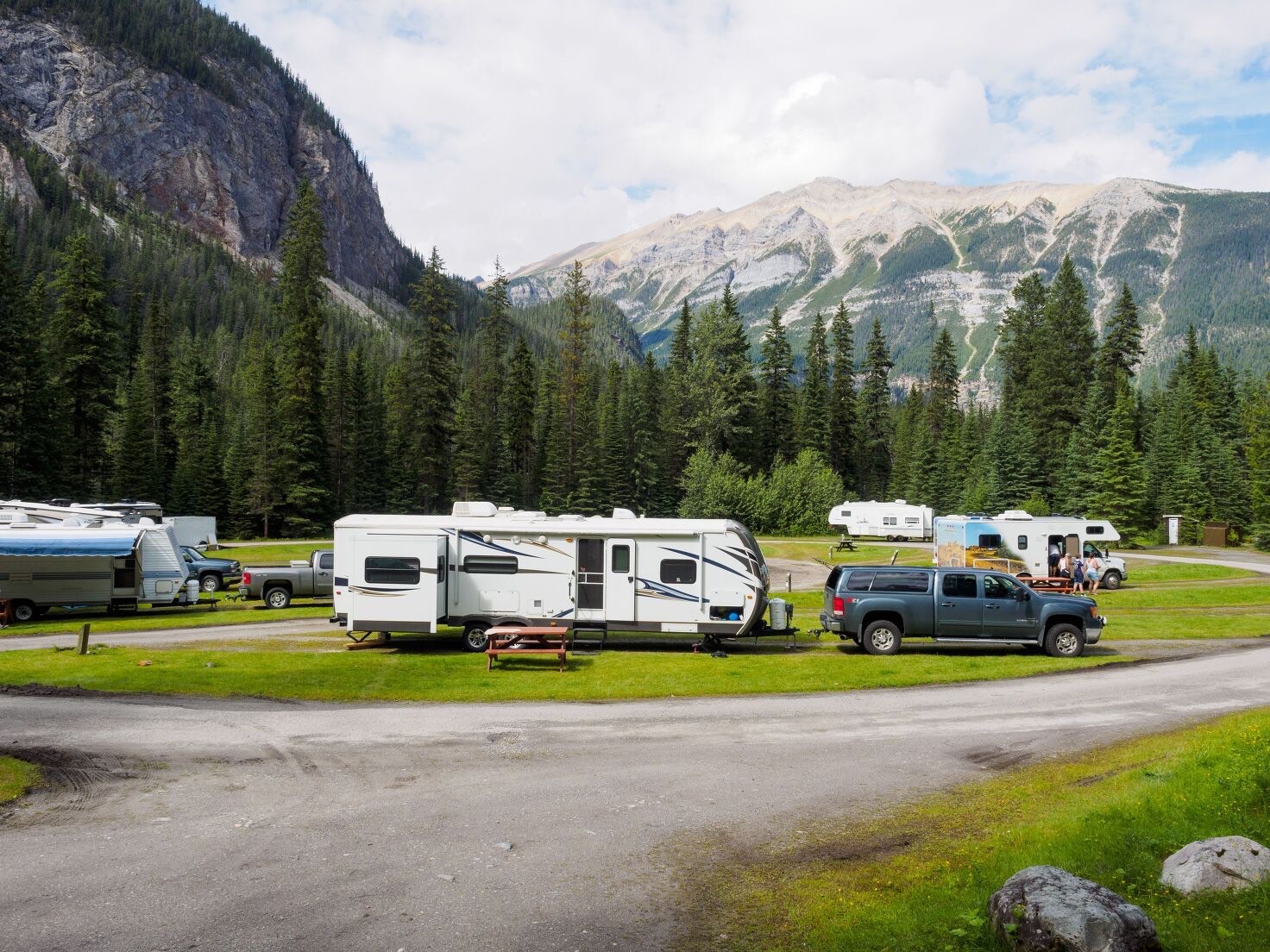
For a vehicle as large as an RV, a relatively small element can play a crucial role in its functionality and longevity: its windows.
Recreational vehicles (commonly abbreviated as RVs) have become a staple of American living over the past several decades. The idea of taking your family on a cross-country trip to see the sights while living inside one of these large, uniquely accommodating vehicles has practically become a rite of passage for many, and it isn’t hard to see why. In an age full of digital technology and distractions, the distinctly Earth-bound, tactile appeal of an RV is hard to ignore.
When preparing for a cross-country trip in an RV, you’re likely to check the big stuff: the tires, the mileage, the gas, the utilities, etc. But an element of the RV that you may not be paying as much attention to is actually one of the most crucial: the windows. RV windows can and often do play a significantly larger role in travel comfort than owners may realize. The condition and construction of window seals, tinting, and placement can affect everything from temperature management and natural light to ventilation, visibility, noise, and protection from the elements. Knowing when windows need maintenance or replacement can help RV owners create a more comfortable, functional living space.
Fortunately, a company like Clearview Glass understands this importance. It helps RV owners better understand their vehicles' needs, how to protect their windows, and when it might be time to replace them.
The Role of RV Windows
If you are taking your family on a cross-country trip, your RV windows are an essential part of that equation. These are the lenses through which you and your family will view the world around you, through which you will experience the landscape of the country. As such, you deserve windows that are clean, pristine, and ideal. No one wants to see the American landscape for the first time through a dirty, cracked, or fogged-up surface; an impression that could color an individual’s entire perception of the journey.
RV windows are exposed to vibration, changing temperatures, road debris, moisture, sunlight, and repeated opening and closing. Over time, owners may notice deteriorating seals, leaks, condensation, difficult operation, or damaged glass. Keeping a close eye on these windows can not only improve the experience for those onboard, but also protect the vehicle's comfort and quality.
Temperature Management Through Windows
Windows play a critical role in regulating the heat entering and leaving an RV. Owners traveling through hot climates may benefit from shades, reflective coverings, appropriate tinting, and well-maintained seals. In colder environments, addressing drafts and damaged seals can make the interior easier to keep comfortable.
Functional windows can also support airflow while cooking, sleeping, or spending extended periods inside an RV. Ventilation can also help manage interior humidity. To do this, owners should periodically inspect window hardware and ensure windows continue to open and close properly.
The Dangers of Water Intrusion
If not carefully monitored, damaged or outdated windows can lead to water intrusion, which can quickly become a much larger maintenance problem. Water seepage can damage the window's structure and cause even more serious problems inside the RV, such as mold. When you’re on the open road, your RV is your home. Thus, keeping up with window safety is critical to protect the vehicle, your family, and your belongings.
The best way to do this is to check window seals and surrounding areas periodically for signs of deterioration. Owners should watch for staining, dampness, soft interior materials, or visible gaps around frames. If the issues are especially severe, repairs may not be enough. Minor maintenance may address some seal or hardware problems, while cracked glass, damaged frames, persistent leaks, or extensive deterioration may justify professional inspection or replacement.
Final Thoughts
RVs can be incredibly fun and help families create lifelong memories as they embark on odysseys across the country while staying in the comfort of this larger-than-life vehicle. However, for those experiences to remain positive and enjoyable, owners must check the quality of their vehicle’s windows and make sure they work properly for visibility, temperature management, and environmental endurance.
FAQ
How often should RV windows be inspected?
Regular visual checks are recommended, particularly before long trips, after storage, and when owners notice leaks, drafts, condensation, or changes in window operation.
Why is water appearing around an RV window?
There are many reasons this could be happening, but the most common include deteriorated seals and improper window installation. However, moisture can originate elsewhere and travel before becoming visible.
Can RV windows help control interior temperatures?
Yes. While other factors are at play, the quality of an RV’s windows, seals, and coverings can be integral to maintaining temperatures and sustaining the vehicle’s energy performance.
When should damaged RV glass be replaced?
Consider replacing damaged RV glass when you see cracks, significant damage, compromised visibility, or notice other persistent problems. Be sure to seek a professional assessment.
NOTE: This is sponsored content produced in partnership with Clear View Glass & Tint